
What Can Clear Aligners Correct? Crowding, Gaps, and Bite Problems Explained
By The Smile Bar team ·
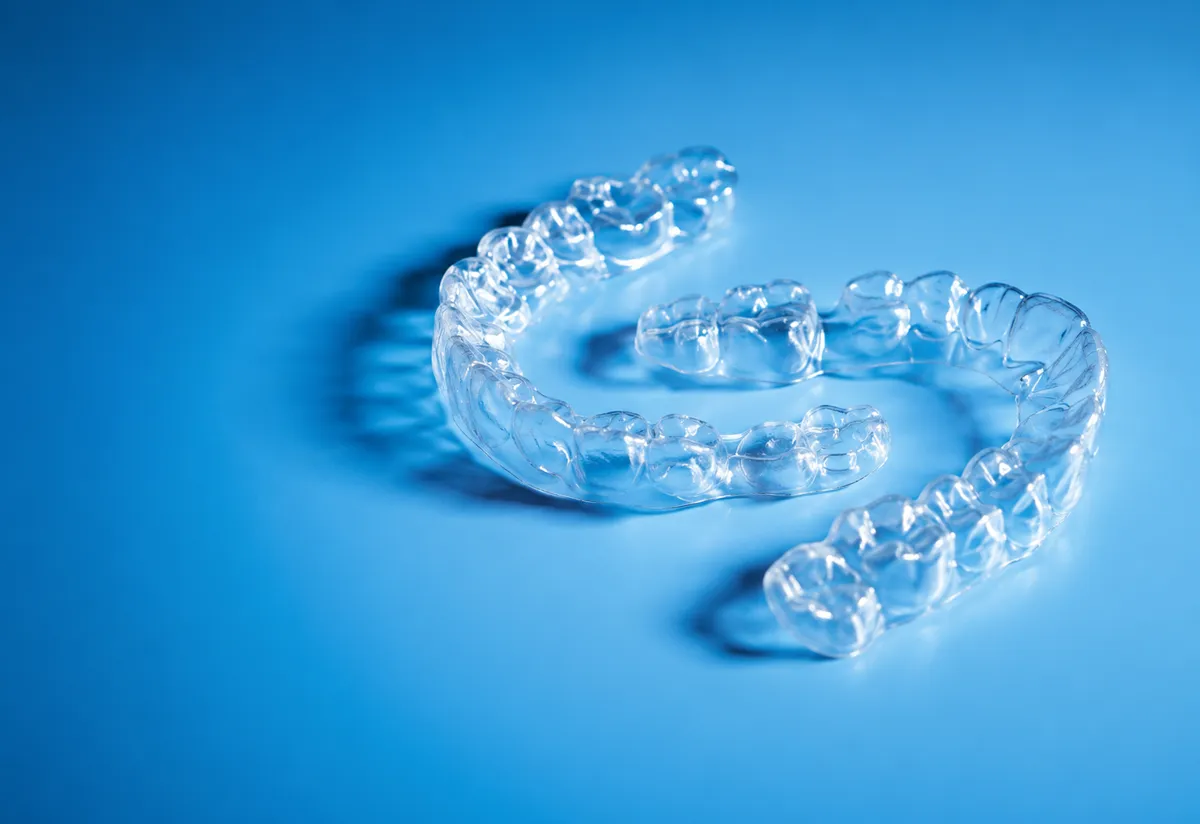
Clear aligners can correct most common orthodontic problems: overcrowded teeth, wide spacing and gaps, crossbites, deep bites, and underbites. For the most severe repositioning cases, traditional braces remain the more predictable option — and an honest consultation is how you find out which side of that line your smile sits on.
At The Smile Bar in Gambrills, we offer Invisalign clear aligners and Six Month Smiles for teens and adults. This guide walks through each problem aligners treat, how the correction works, and when we would honestly point you elsewhere.
Quick facts about clear aligners
- Aligners are a series of custom-made clear trays worn about 22 hours a day.
- You switch to a new set roughly every two weeks; each set moves teeth a little further.
- Average treatment with the Six Month Smiles system we offer is about six months.
- Trays come out for eating, brushing, and flossing — no food restrictions.
- They treat crowding, spacing, crossbites, deep bites, and underbites; severe cases may still call for braces.
- Individual results and timelines vary; a consultation confirms what your case needs.
Which tooth and bite problems can clear aligners fix?
Orthodontic problems generally fall into two families: teeth that sit in the wrong place (crowding and spacing) and jaws that meet the wrong way (bite problems). Clear aligners can address both, within limits. The American Dental Association's patient resource MouthHealthy.org notes that straightening options today range from fixed braces to removable aligner systems — the right one depends on the complexity of the movement required.
Overcrowding
Overcrowding happens when there isn't enough room in the jaw for all your teeth to sit normally, so they twist, overlap, or get pushed forward and back. Beyond appearance, crowded teeth are harder to brush and floss well, which gives plaque more places to hide — no small thing when, according to the CDC, about 1 in 4 American adults already has untreated tooth decay. Aligners correct crowding by gradually rotating and shifting teeth into the available space, tray by tray. Mild to moderate crowding is one of the most common — and most successful — uses of clear aligner treatment.
Wide spacing and gaps
Wide spacing is the opposite problem: extra room in the jaw leaves visible gaps between teeth. Some people love a signature gap; others want it closed. Aligners close spacing by guiding teeth toward each other in small, planned steps. If your gaps are limited to one or two front teeth and the teeth are otherwise well aligned, porcelain veneers can be an alternative worth comparing — your consultation covers both routes.
Crossbites
In a crossbite, misaligned upper and lower jaws cause some upper teeth to bite inside the lower teeth rather than outside them. Over time, an untreated crossbite can wear enamel unevenly and strain the jaw. Aligners can correct many crossbites by moving the affected teeth back into proper alignment, though jaw-level discrepancies may need additional orthodontic care.
Deep bites
A deep bite means the upper front teeth overlap significantly with the lower teeth when you close your mouth. Deep bites can cause the lower teeth to wear against the upper gum tissue and the enamel to chip along the biting edges. Aligner treatment plans for deep bites level the bite gradually, reducing the overlap to a healthier range.
Underbites
An underbite is when the lower teeth protrude past the upper front teeth, usually from an imbalance in jaw growth. Milder underbites driven by tooth position respond well to aligners. When the underbite comes primarily from the jawbone itself, aligners alone may not be enough — which is exactly the kind of distinction an in-person exam sorts out before you spend anything.
Complex cases — when braces still win
For more severe repositioning — large rotations, significant jaw discrepancies, or teeth that need to move vertically a long way — traditional braces remain the predictable, time-tested option. We would rather tell you that plainly at a free consultation than start a treatment that can't finish the job. General information on healthy tooth development and oral conditions is available from the National Institute of Dental and Craniofacial Research.
"Today, clear aligners treat a range of teeth straightening issues — the result is a new, more even smile that you will want everyone to see."
How does aligner treatment actually work?
After a consultation confirms you're a fit, a series of custom trays is made for your teeth. You wear each set about 22 hours a day and switch to the next set roughly every two weeks. The trays come out for meals and brushing, which is the biggest day-to-day advantage over fixed braces. The American Dental Association recommends keeping up regular dental visits during any orthodontic treatment so your teeth and gums stay healthy while they move. Treatment length varies by case; with Six Month Smiles the average is about six months.
Where do you start?
With a conversation, not a commitment. Dr. Forbes evaluates your bite, shows you what aligners can and can't do for your specific case, and gives you an honest recommendation. If you're weighing aligners against other cosmetic options, our overview of cosmetic dentistry options is a useful companion read.
Clear aligner FAQs
How do I know if clear aligners will work for my teeth?
A consultation is the only reliable answer. Dr. Forbes evaluates your bite and tells you honestly whether clear aligners fit your case — or whether traditional braces would serve you better. Every mouth is different, and results vary from case to case.
How long do clear aligners take to straighten teeth?
With the Six Month Smiles system we offer, the average treatment time is about six months. Your exact timeline depends on how far your teeth need to move, which is what your consultation maps out.
Do clear aligners hurt?
Most people feel gentle pressure for a day or two after switching to a new tray — a sign the teeth are moving. The trays are smooth plastic with no wires or brackets, so most patients find them comfortable to wear day to day.
This article is educational and not a substitute for an exam. Individual results vary; every treatment plan begins with an in-person consultation.