
Dental anxiety is real. It shouldn’t decide your dental health.
Sedation dentistry — sometimes called “sleep dentistry” — lets patients with anxiety, sensitive teeth, a strong gag reflex, or a long treatment list get the care they’ve been putting off, calmly and comfortably.
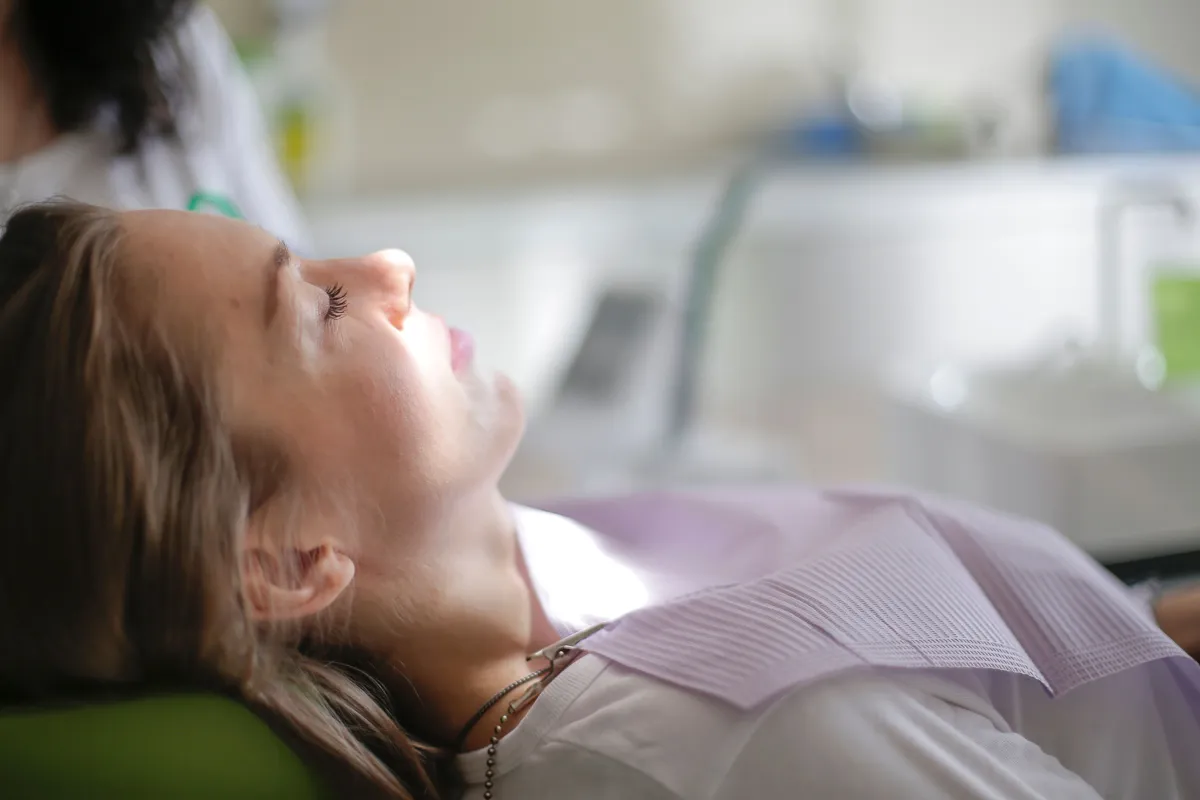
Four levels of calm — matched to you
Dr. Arielle Forbes, DMD reviews your options together with you, from simple sedation to more involved techniques, and recommends what best fits your circumstances.
Local anesthesia
Numbing applied directly to the treatment area — the foundation of comfortable dentistry.
Learn moreNitrous oxide
Also known as laughing gas: used alongside other options to calm anxiety during the procedure, wearing off quickly afterward.
Learn moreIV sedation
Administered through an intravenous line, allowing you to sleep during the procedure.
Learn moreGeneral anesthesia
A deep sleep throughout the procedure — for patients and cases that call for it.
Learn moreIs sedation right for you?
Talk to us about sedation if any of these sound familiar:
Fear of the dentist
Whether it’s a full phobia or something less, sedation lets treatment happen quickly and efficiently.
Sensitive teeth or low pain threshold
Sedation makes advanced treatment for teeth and gum health possible when sensitivity has held you back.
Gag reflex or lots of work
A strong gag reflex — or a long list of needed treatment — often means sedation can compress more care into fewer, easier visits.
The office was spotless and had a calming atmosphere, which helped ease any nervousness I had.
Sedation questions, answered
What is sedation dentistry, or “sleep dentistry”?
A safe, gentle option that helps you relax while dental treatment is carried out. Medication is used, but you usually remain awake — unless you opt for general anesthesia, which lets you sleep through the procedure.
What sedation options are available?
Four levels: local anesthesia applied directly to the treatment area; nitrous oxide (laughing gas) to calm anxiety alongside other options; IV sedation that allows you to sleep during the procedure; and general anesthesia for a deep sleep throughout.
Who should consider sedation?
Patients with a fear of dentists, a low pain threshold, very sensitive teeth, a gag reflex that interferes with treatment, or a large amount of work to complete in fewer visits. If the thought of treatment fills you with dread, sedation is well worth a conversation.
Will I be aware of the procedure?
That depends on the level you and Dr. Forbes choose together. With lighter options you’re relaxed but awake; with deeper options such as IV sedation, most patients are much less aware of the procedure — many remember little of it afterward.
How do I choose the right option?
You don’t choose alone. Dr. Forbes reviews every option with you — from simple sedation treatments to conscious sedation — and recommends the one best suited to your health history and your circumstances.
Been putting off the dentist for years?
You’re exactly who sedation dentistry exists for. Talk it through with Dr. Arielle Forbes, DMD — the consultation is free and judgment-free.
Book your free consultation