
Missing teeth? Your implant consultation is free.
One missing tooth or a full smile — the first step is the same: 3D imaging, an honest conversation with Dr. Forbes, and an exact price in writing. It costs nothing, and it commits you to nothing.
Implant Consultation + 3D Imaging
For new and existing patients
- 3D imaging — see what's actually possible for your mouth
- Exam with Dr. Forbes — not a salesperson
- Every option explained — single tooth to full arch
- Exact price in writing — before anything begins
- Financing reviewed — real monthly numbers, if you want them
Free implant consultation · Step 1 of 3
What best describes your situation?
Tap whichever is closest — you'll see real consultation times on the next screen.
Would rather talk to someone? Call 410-874-2222.
Free implant consultation · Step 2 of 3
Pick a time that works
Live openings over the next week, in Eastern Time. Pick a day, then a time — times shown are open now but are not reserved until our team confirms.
Free implant consultation · Step 3 of 3
Last step — how do we reach you?
You're requesting
Why patients choose The Smile Bar for implants
- An in-house lab — your restoration is designed and crafted on-site, refined with Dr. Arielle Forbes, DMD down the hall. See the lab.
- Everything under one roof — imaging, placement, and your new teeth, coordinated by one team.
- Honest answers — if a bridge, a denture, or waiting is genuinely better for you, that's what you'll hear.
Prefer to talk it through? Call 410-874-2222 and a real person will help you find a time.
Real patients, real results
Two implant cases treated here in Gambrills. Drag each photo to see the change. These are unretouched clinical photographs — not stock images, and not retouched.
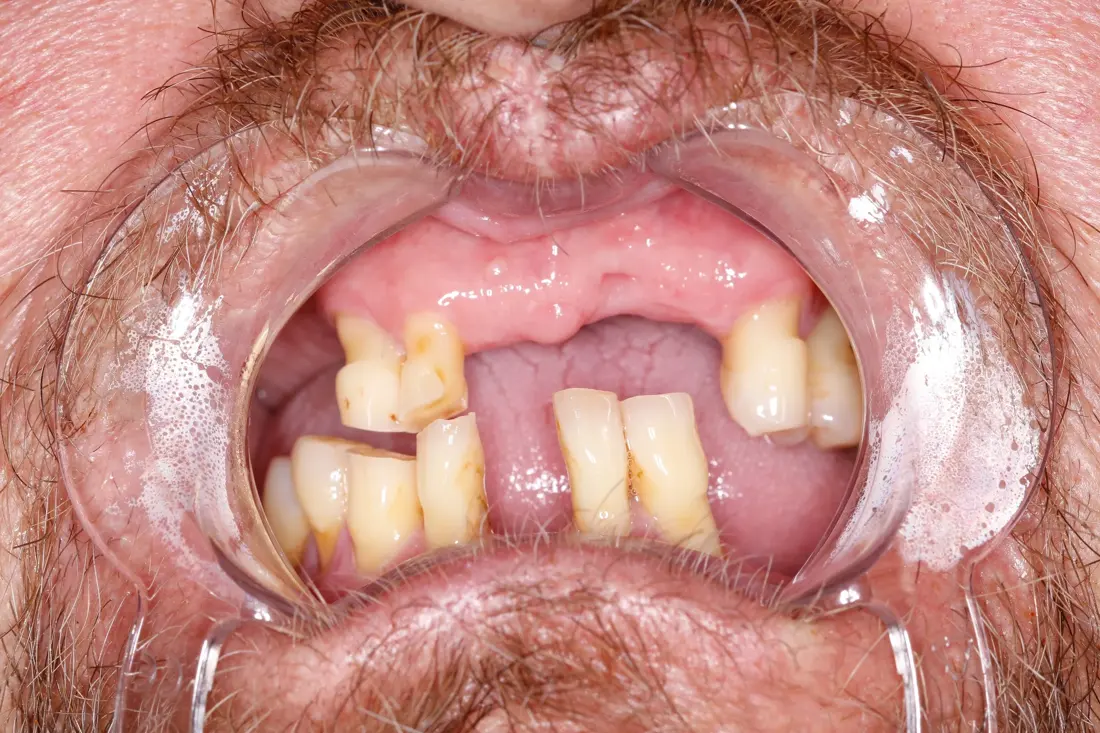
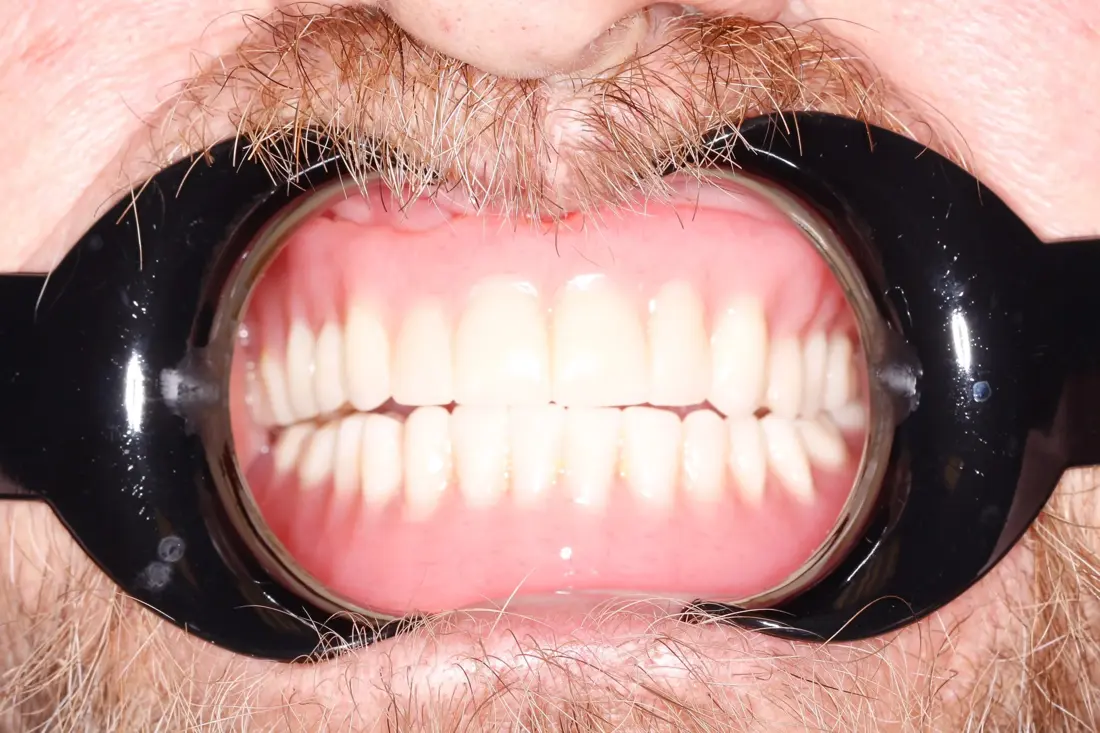
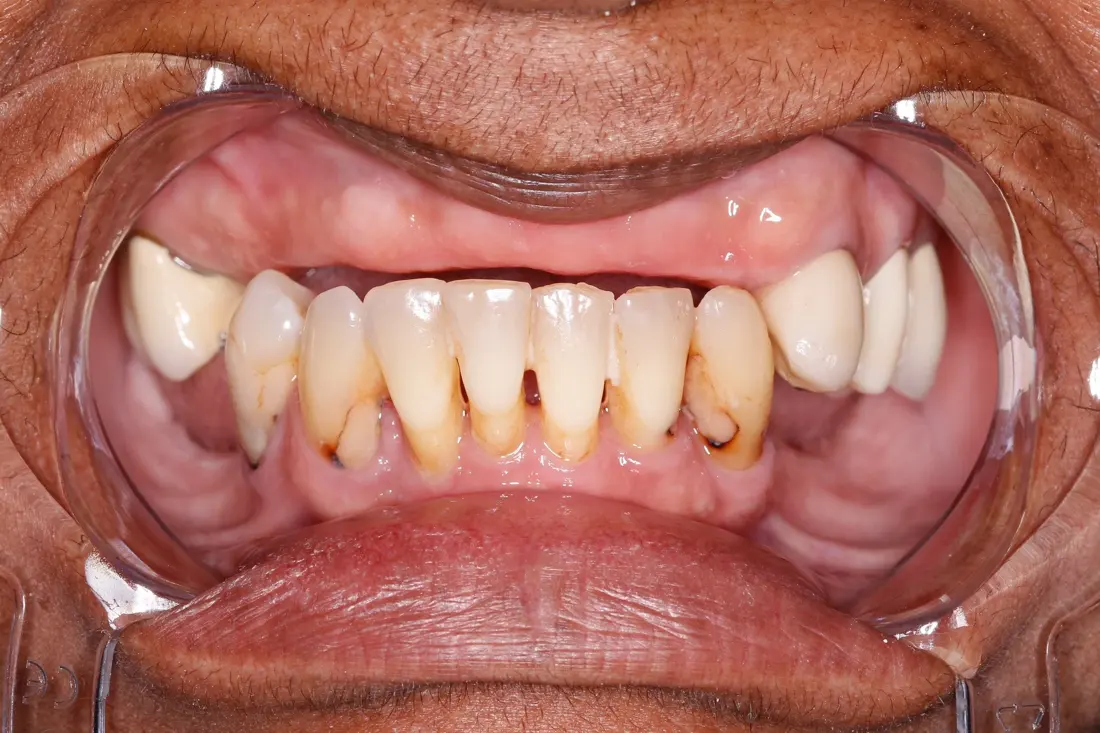
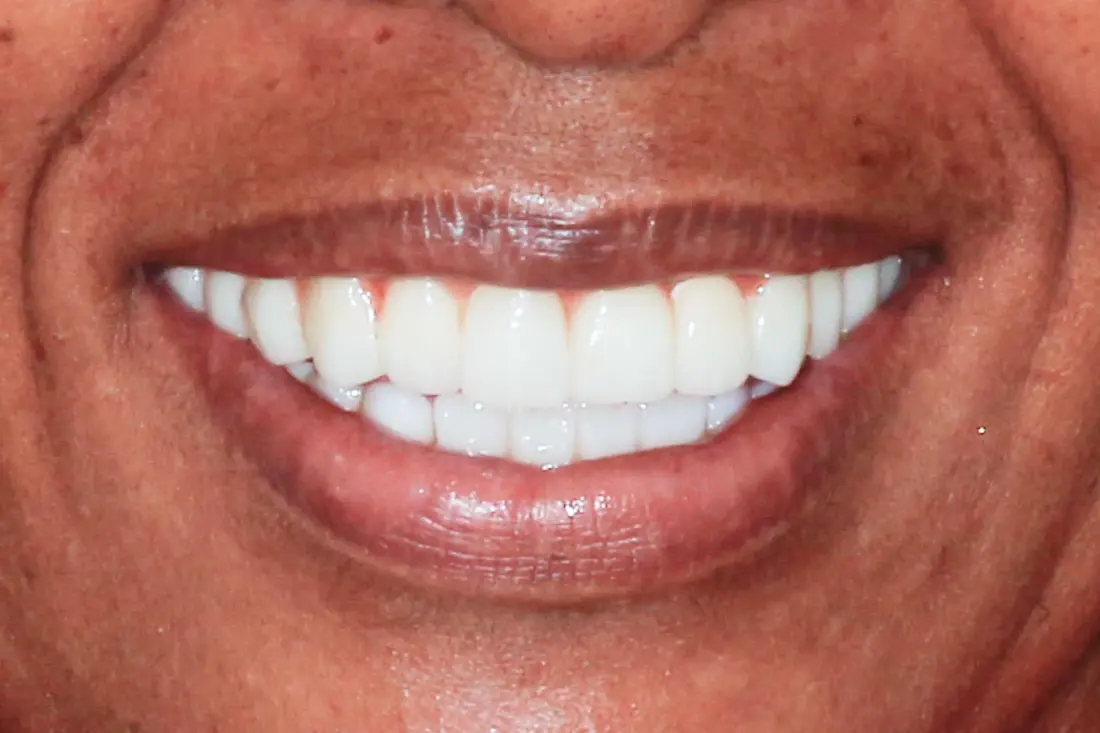
All photographs are actual patients of The Smile Bar, used with permission. Individual results vary — every treatment plan begins with an in-person consultation and imaging. See more cases.
What happens after your consultation
- Your free consultation & imaging3D imaging, a conversation about your goals and health history, and honest answers about your options. You leave with a plan and an exact price.
- Preparation, if neededSome patients need a tooth removed or bone grafting first. Not everyone does — your imaging tells us, not a guess.
- Implant placementThe implant is placed under local anesthesia, with sedation available. Many patients return to normal routines within a day or two.
- Healing & integrationOver the following weeks the implant fuses with your bone — the foundation that makes implant teeth so stable.
- Your new teeth, made in-houseYour restoration is designed and crafted in our on-site lab, refined with Dr. Arielle Forbes, DMD down the hall — not mailed to a facility you'll never see.
Want the deeper reading first? Start with Am I a candidate?, the treatment timeline, or All-on-4 full-arch teeth.
Implants are medical devices — they deserve a coordinated team, not a shipping label.
Questions patients actually ask
What does the free consultation include?
3D imaging of your mouth, an exam with Dr. Forbes, a conversation about your goals and health history, and honest answers about your options. You leave with a plan and an exact price — before anything begins, with no obligation.
What is a dental implant, exactly?
A dental implant is a small titanium post that replaces a missing tooth’s root. Once it integrates with your jawbone, it anchors a crown, bridge, or full arch of teeth that stays fixed in place — no adhesives, no removing at night.
How long does the implant process take?
It varies by case. Some patients qualify for same-day approaches; others need healing time between placement and the final restoration, especially if bone grafting is involved. At your free consultation, Dr. Forbes maps your specific timeline before anything begins.
Do dental implants hurt?
Placement is done under local anesthesia, and sedation options are available for anxious patients. Most patients describe the recovery as more manageable than they expected, with soreness controlled by over-the-counter medication. Everyone is different — we plan your comfort as carefully as your teeth.
Am I too old for dental implants?
Age by itself is rarely the deciding factor — overall health and bone condition matter far more. Patients in their 70s and 80s receive implants successfully. A consultation with imaging is the only honest way to know.
What if I’ve been missing teeth for years?
Long-term tooth loss often means some bone loss, but that doesn’t close the door. Bone grafting rebuilds support, and full-arch techniques like All-on-4 are designed to work with less bone. This is exactly the kind of case worth a second opinion.
What will it cost?
Your consultation ends with an exact, written price for your specific plan — never an estimate that grows later. Financing options through partners like Proceed Finance and PatientFi can spread out the cost. See cost & financing for how pricing works.
Wondering which option fits your mouth?
Imaging answers what guessing can't. Your consultation with Dr. Arielle Forbes, DMD is free, and so is the honest assessment.
Book your free consultation