
Are dental implants affordable? An honest cost education.
No two mouths are the same, so no two implant prices are either. Here's what's actually included in implant treatment, the factors that move the price, and why the only accurate number comes from a consultation — which here is free.
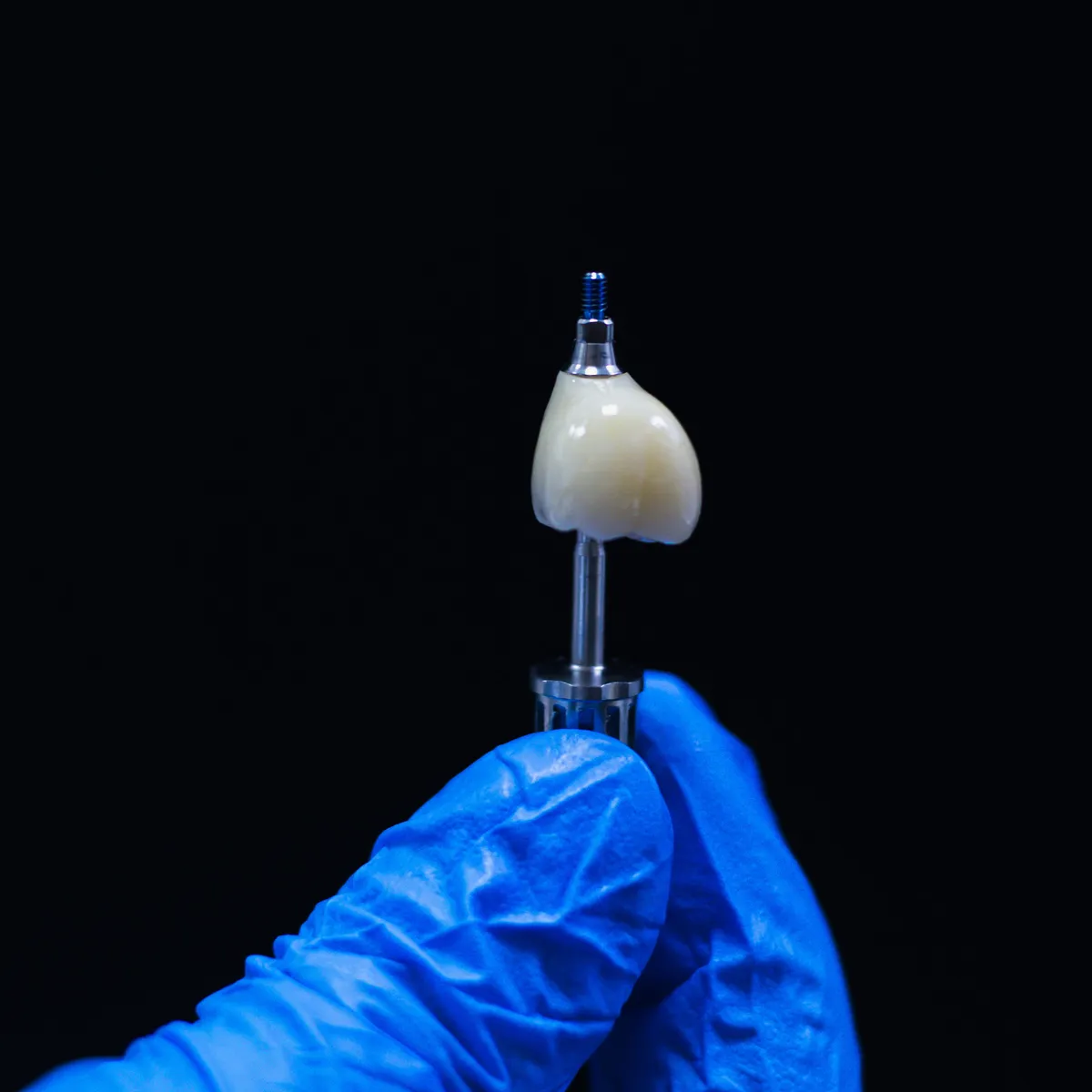
You're buying a service, not a product
When comparing costs, remember that dental implants are medical devices requiring a larger team of dental professionals, and that placing them well is both art and science. Cheaper providers exist — just as less skilled, less experienced providers exist. What you're really buying is a coordinated service that can change your life and give you permanent teeth built to last for decades.
The commonly accepted figures
Nationally, a single implant placed and restored averages $3,000–$6,000, typically around $4,500. Full-arch fixed bridges (All-on-4) run roughly $15,000–$30,000+ per arch. Your own quote comes from imaging, not averages.
How you'd pay for it
Financing plans can spread treatment into manageable payments, and some insurance may help depending on why you need the implant. The full financing guide lives here
What's included in the cost
- Initial consultationThe most important visit: Dr. Arielle Forbes, DMD assesses your teeth and jawbone health and plans the rest of treatment. Diagnostic imaging includes a high-speed scan that produces a photo-realistic 3D digitalization of your face, feeding CAD/CAM software to design a remarkably precise, individualized prosthesis.
- SurgeryThe implants are placed and your new teeth are fitted and adjusted. These aren't your final teeth yet — but you leave the office with beautiful, fixed, functional teeth.
- Follow-up & final teethAfter 3–6 months, once the implants have fused to your natural bone, new impressions are taken and a final, stronger, permanent set is made and adjusted to a perfect fit — built for decades of support, beauty, and function.
What moves the price up or down
Specialist care
Implantology is its own discipline — placement is done by a periodontist, oral surgeon, or a dentist with advanced implant training, which commands a higher fee than routine dentistry.
Anesthesia choice
Local anesthetic is standard; anxious patients can add sedation. General anesthetic — sleeping through the procedure with an anesthesiologist present — costs more. Sedation options
Bone grafting
Significant bone loss may require a graft — a separate procedure done months before placement, with its own healing time and cost. How grafting works
Crown material
Acrylic resin is cheapest but least natural and least durable; porcelain and ceramic are stronger; solid Prettau® Zirconia, hand-colored to match your teeth and gums, is the top tier.
Which teeth
Front teeth are harder to work on and take more skill to make look natural — visible teeth tend to cost more, and the surgery takes longer.
Your anatomy
Bone volume, gum health, and how many teeth you're replacing all shape the plan. That's why the consultation, not this page, sets your price.
The average bridge is replaced every 10.1 years. Implant-supported crowns are effective at 20+ years in 95% of cases.
The long-run math favors implants
Implants cost more than dentures or bridges up front, but they're the more cost-effective restoration over time — more natural, more secure, longer-lasting. Tooth-supported bridges have a limited lifespan and must be replaced; studies report a 98.8% ten-year implant survival rate, and a Swedish study of immediately loaded implants found 98.2% survival over 32 months. Superior lifespan means the more expensive option is often the cheaper one, decade over decade.
Cost questions, answered straight
What do dental implants typically cost?
The commonly accepted national figures: a single implant placed and restored generally ranges from $3,000 to $6,000, with a typical cost around $4,500. Full-arch fixed implant bridges (often called All-on-4) can run from $15,000 to $30,000 or more per arch. Your exact price depends on your mouth — no two are the same — and is quoted precisely at your free consultation.
Why do prices vary so much between offices?
Implants are medical devices, placed by a larger team of dental professionals — the work is both art and science, and you’re buying a service, not a product. Can you find a dentist who charges less? Absolutely. When comparing, weigh skill, experience, technology, and who actually makes your teeth alongside the number on the quote.
What factors change my individual price?
The big ones: whether you need bone grafting (a separate procedure, months before placement), your anesthesia choice (local with optional sedation vs. general anesthetic with an anesthesiologist present), the crown material, which teeth are being replaced (visible front teeth demand more skill and time), and the specialist training implant surgery requires.
Does crown material really matter?
A lot. Acrylic resin crowns are the most affordable but look less natural and wear out sooner. Porcelain and ceramic are stronger and more lifelike. The best quality starts with a solid block of Prettau® Zirconia — hand-colored and polished to match natural teeth and gums, and able to withstand significant pressure while resisting chipping, fractures, and wear.
Are implants a better value than a bridge in the long run?
The evidence says yes. The American Dental Association reports the average bridge is replaced every 10.1 years, while clinical studies show implant-supported crowns effective at 20+ years in 95% of cases, and one study found a 98.8% ten-year implant survival rate. Implants cost more up front, but over time the superior lifespan typically saves money.
Who is a good candidate?
People struggling with conventional dentures, or anyone who has lost a tooth or teeth — especially if chewing has become difficult. Implants can slow jawbone and tissue loss, support a more youthful facial structure, and help you speak more clearly. You do need enough healthy bone to support the implant (bone grafting can rebuild it), and nearby teeth and tissues should be in good health.
Get your exact number — free
At your free consultation, Dr. Arielle Forbes, DMD builds a customized treatment plan and tells you exactly what it will cost. No surprise fees. A conversation, not a commitment.
Book your free consultation